
When Worship Is Disrupted: Why the First Amendment Still Matters - And Why Corporate Worship Must Be Protected
Wesley King • January 21, 2026
When Worship Is Disrupted: Why the First Amendment Still Matters — and Why Corporate Worship Must Be Protected
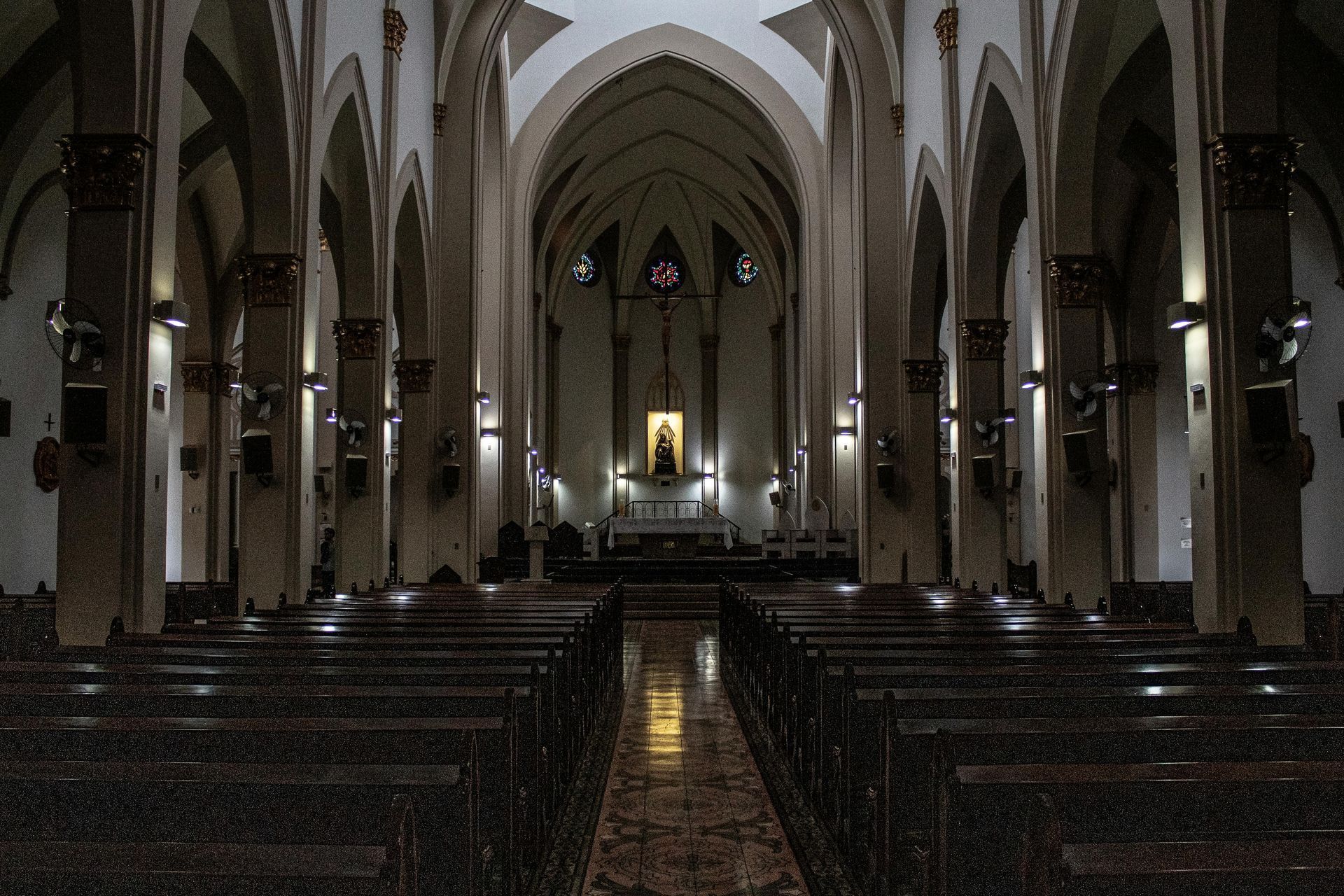
Sunday mornings are not a “public forum.” They are a holy appointment.
On Sunday, January 18, 2026, an anti-ICE group entered Cities Church in St. Paul (Twin Cities area) during a worship service, loudly chanting and moving toward the front — an invasion that rattled congregants and disrupted prayer and preaching. Reports also note that Don Lemon was present and livestreamed parts of what happened. The church has publicly weighed legal options, and federal officials have said the incident is under investigation and that violations of federal law will be prosecuted.
Whether you agree or disagree with a pastor’s day job, a church’s theology, or the politics of the moment, storming a worship service is not “activism.” It is intimidation — aimed not at a government office, but at a gathering of believers seeking to worship God in peace.
And that is exactly why this moment matters for every church in America.
What “Corporate Worship” Actually Means, and Why It’s Sacred
When Christians talk about corporate worship, we don’t mean “corporate” like a business. We mean the gathered body — the church assembled.
It’s the set-apart time when believers obey Hebrews 10:25, sing and pray together, and hear the Word of God preached. It is deeply spiritual. That is why barging into worship to shout is not just rude. It’s a direct assault on something Christians hold as sacred.
The First Amendment Protects Both Protest and Worship — But Not the Same Way
America’s First Amendment protects:
• Free exercise of religion• Freedom of speech
• Freedom of assembly
• Freedom of the press
That means protesters have robust rights to speak, assemble, and criticize — outside and in lawful public spaces. But the First Amendment does not grant a right to:
• Enter private property without permission
• Disrupt a religious service
• Intimidate congregants (including children)
• Obstruct lawful assembly
A church service is not a city council meeting. It isn’t a sidewalk. It isn’t the Capitol rotunda. It’s a religious gathering — protected precisely because the Constitution recognizes that citizens must be free to worship without coercion, harassment, or mob interference.
When worship becomes “fair game,” every minority faith in America eventually pays the price.
Why This Incident Should Alarm Churches Everywhere
What happened at Cities Church wasn’t just a local controversy. It signals something bigger:
1. A growing belief that “sacred space” deserves no respect.
If worship can be invaded when activists dislike a church leader’s affiliations, then worship is only “allowed” when it’s politically approved.
2. A chilling effect on pastors and congregations.
If families believe they may be confronted, shouted down, or targeted during worship, attendance and public witness suffer.
3. A dangerous precedent: “Pressure the church to pressure the state.”
Even if the protest had a political target, the tactic was religious intimidation — using a sanctuary as leverage.
This is not how a free society solves disagreements. It’s how fear is normalized.
Justice Is Biblical — And Accountability Matters
Christians are commanded to be people of grace and truth. We don’t return evil for evil. We pray for our enemies and refuse vengeance.
But we are also taught that civil government has a God-given duty to restrain wrongdoing (Romans 13). When laws are broken — trespass, disorderly conduct, intimidation, interference with worship — accountability is not “unloving.” It’s protective.
Federal authorities have publicly stated the incident is being investigated and that violations will be prosecuted. If crimes occurred, then charges should follow — not because Christians crave payback, but because society must not allow mobs to decide who gets to worship in peace.
What Churches Should Do Now: Practical Preparation Without Panic
“Prepared” doesn’t mean paranoid. It means wise.
1) Establish a safety and usher team (trained, calm, accountable)
• Clear roles: doors, sanctuary, kids’ check-in, parking lot
• De-escalation training (calm voices, clear commands, non-combative posture)
• A single point-person who coordinates responses
2) Coordinate with local law enforcement before an incident
• Ask for guidance on trespass warnings and response times• Identify where officers should enter if needed• Document contact numbers for Sundays
3) Tighten children’s ministry security
• Controlled check-in/check-out
• Locked or monitored doors during service
• Protocol for “hold in place” if disruption occurs
4) Prepare a legal response plan
• Document everything (video, names, timestamps)
• Know your state’s trespass and disorderly conduct rules
• Consider civil remedies as well as criminal complaints(Cities Church has reportedly considered legal options already.)
5) Prepare a pastoral response plan
• Shepherd the fearful and the angry
• Teach the church how to suffer faithfully without surrendering ground
• Remind your people: worship is not a performance — it’s spiritual warfare, and we don’t retreat because someone yells
A Call to Courage for the Church
This is a moment for clarity: worship is not a target, truth is not negotiable, and the First Amendment is not optional.
Churches must be free to gather, sing, pray, and preach without disruption. If we lose that, we don’t just lose a “Christian value.” We lose an American one — because the same principle that protects the church today protects every citizen tomorrow.
Stand firm. Worship boldly. Prepare wisely. And insist — peacefully but unapologetically — that the law protect what God calls holy.
Ephesians 6 calls Christians to stand firm against evil with truth, faith, Scripture, prayer, and courage in a culture demanding compromise.
Many of the battles that become costly tomorrow could be confronted faithfully today if Christians are willing to speak, serve, lead, vote, teach, organize, and remain involved.
Christians must honor government. We must also remember that government is not our highest authority.
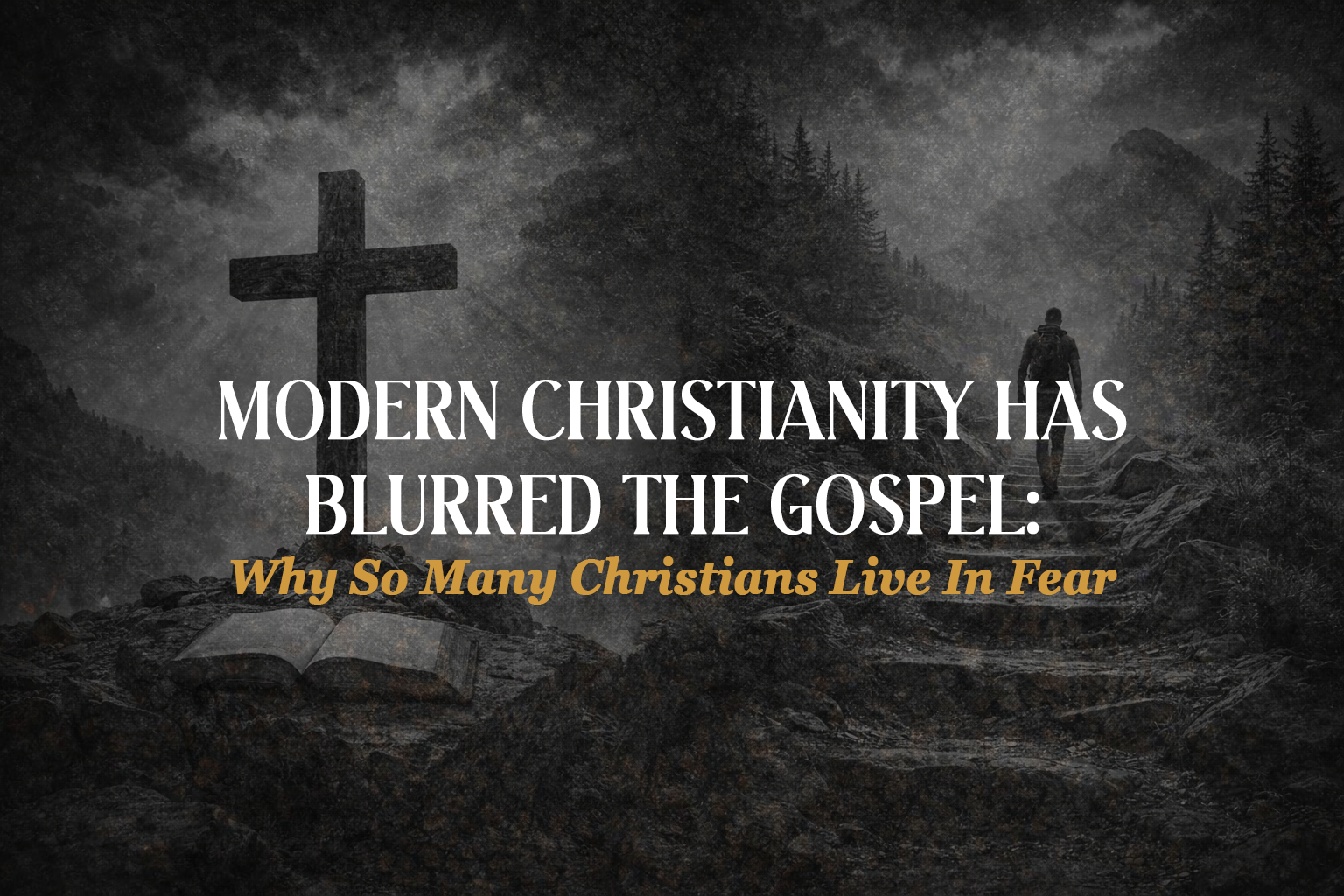
Whether intentionally or not, many have blurred the line between salvation and spiritual growth in a way that keeps people emotionally manipulated, spiritually insecure, and obsessed with outward performance.
In some cases, it has even been used to boost numbers, maintain control, and cultivate a culture of self-right

Stand firm in faith during perilous times.
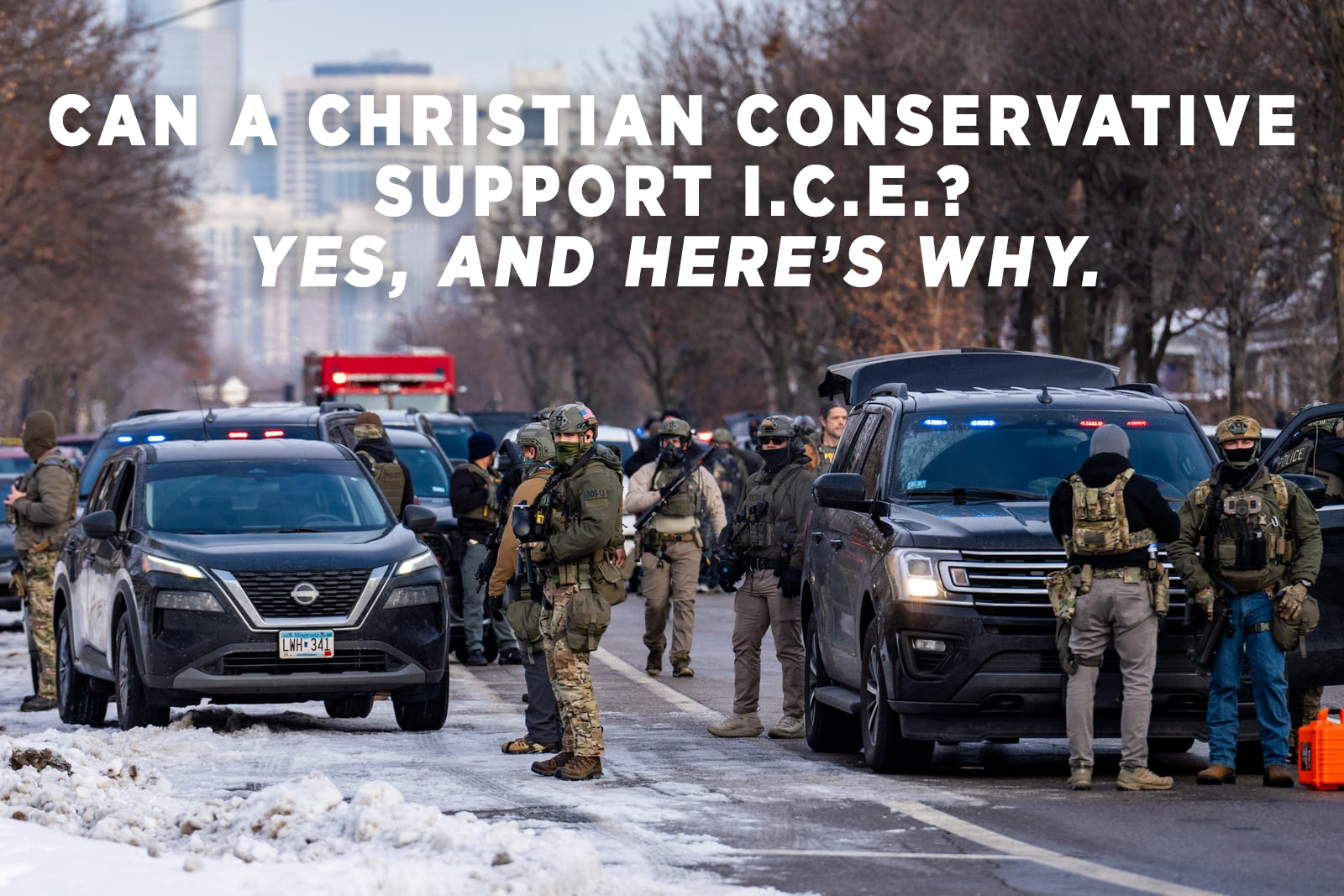
Explore how Christian conservative values align with supporting ICE. Join us in standing for truth and justice today!

Understand how suffering leads to growth and glory through faith.

Learn how men can embody truth and conviction in a confused culture.